
Skin resurfacing treatments have never been more accessible — or more confusing. Microneedling, IPL, fractional laser, ablative CO2 — the options are proliferating faster than public understanding of them. Let me break down the two most commonly compared: traditional microneedling and laser resurfacing.
What Both Treatments Are Actually Doing
Both microneedling and laser resurfacing work through controlled injury. By creating precise micro-damage to the skin — microneedling through mechanical puncture, laser through thermal energy — they trigger the wound healing cascade, stimulating fibroblast activity and new collagen synthesis.
Microneedling: The Lower-Downtime Option
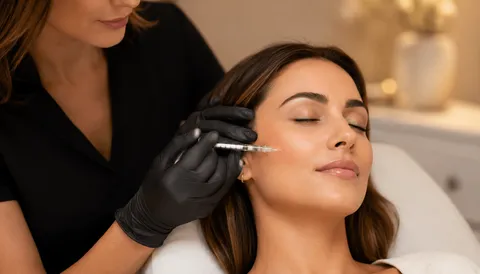
Microneedling creates hundreds of micro-channels using fine needles. The depth is adjustable (typically 0.5–2.5mm) and can be combined with serums, PRP, or exosomes. Main advantages: suitable for all skin tones with minimal risk of post-inflammatory hyperpigmentation, lower cost per session, and minimal downtime — redness for 24–72 hours. Best suited for: textural irregularities, fine lines, enlarged pores, and mild acne scarring.
Laser Resurfacing: Higher Impact, More Downtime
Fractional and ablative laser treatments can achieve more dramatic skin remodeling for deeper scars, significant sun damage, and pronounced lines. The tradeoff is downtime: fractional treatments require 5–7 days of healing; fully ablative procedures can require 10–14 days.
For most patients with moderate skin texture concerns and limited downtime tolerance, a microneedling series is the right starting point. For patients with more significant resurfacing needs, laser options may be worth the additional investment. Book a skin consultation at M Health and we'll assess your skin type, goals, and schedule.